From Necessity to Lifestyle
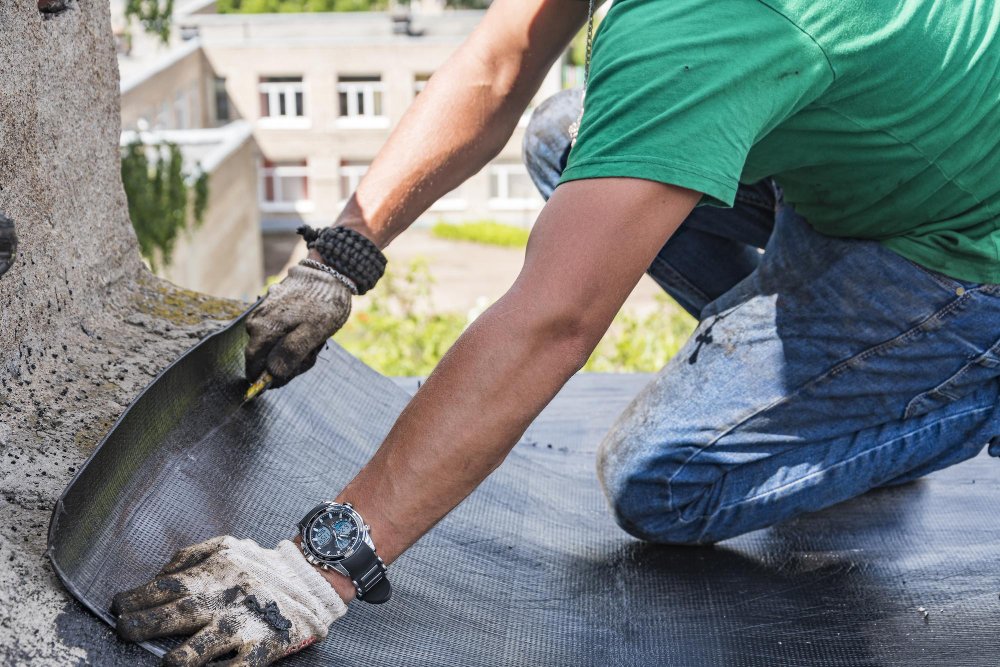
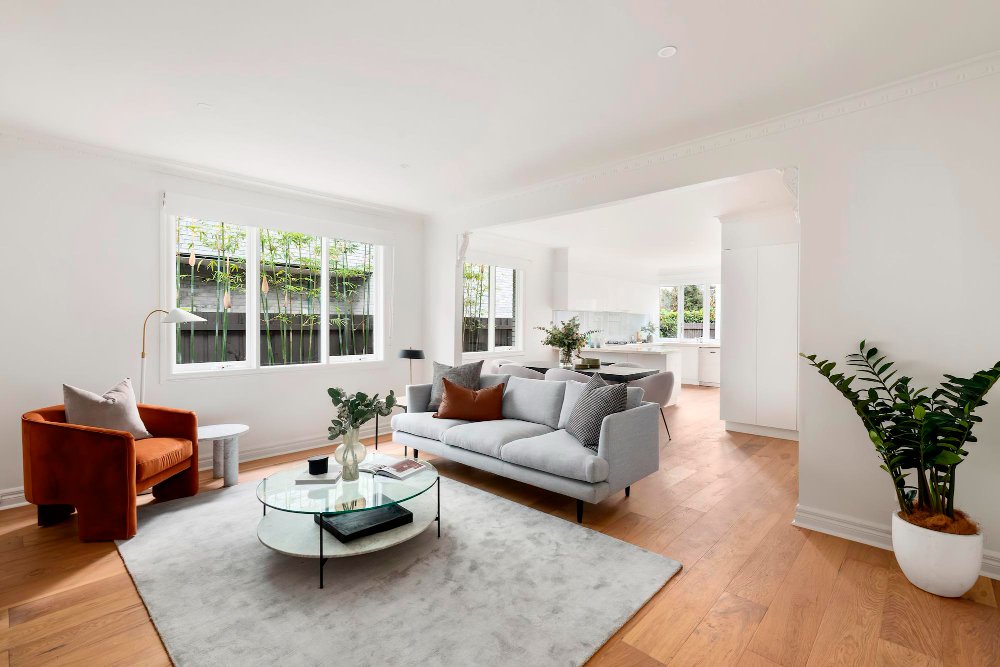
In the past, home improvements were driven by necessity—fixing a leaky roof, upgrading plumbing, or adding more space for a growing family. Today, they represent lifestyle choices. Homeowners remodel to enhance daily experience, integrate smart technology, and personalize design. This shift from function to lifestyle means improvement projects now combine beauty, comfort, and performance in equal measure.
The Modern Mindset
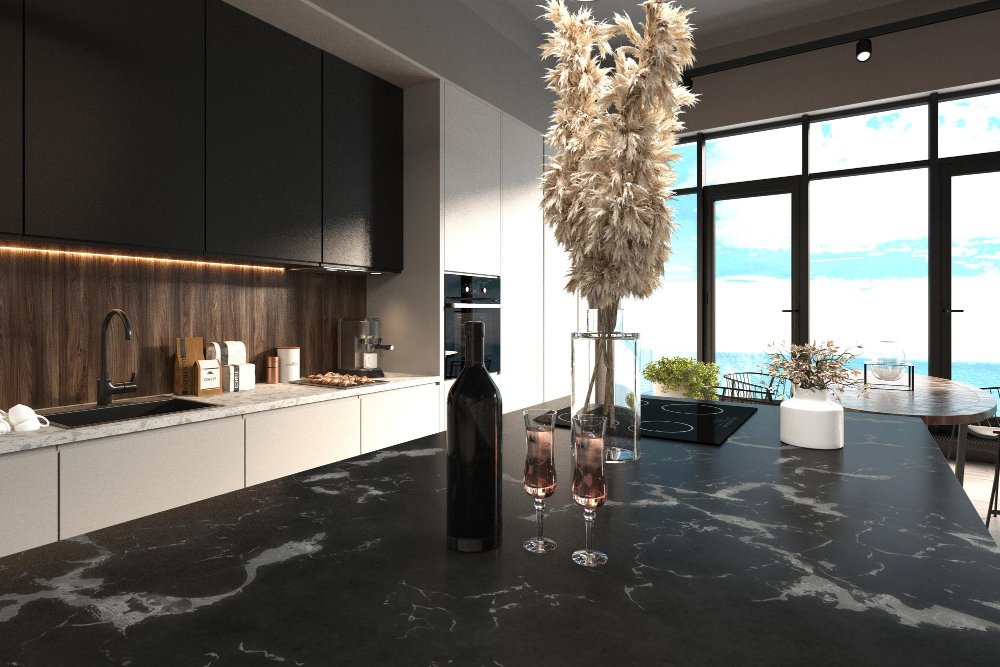
Today’s homeowner values sustainability, customization, and timeless design. Improvements are planned with both long-term comfort and future resale value in mind. Smart lighting, energy-efficient windows, and sustainable materials have redefined what “home improvement” means—turning houses into eco-friendly sanctuaries built for modern living.
Technology’s Role in Home Improvement
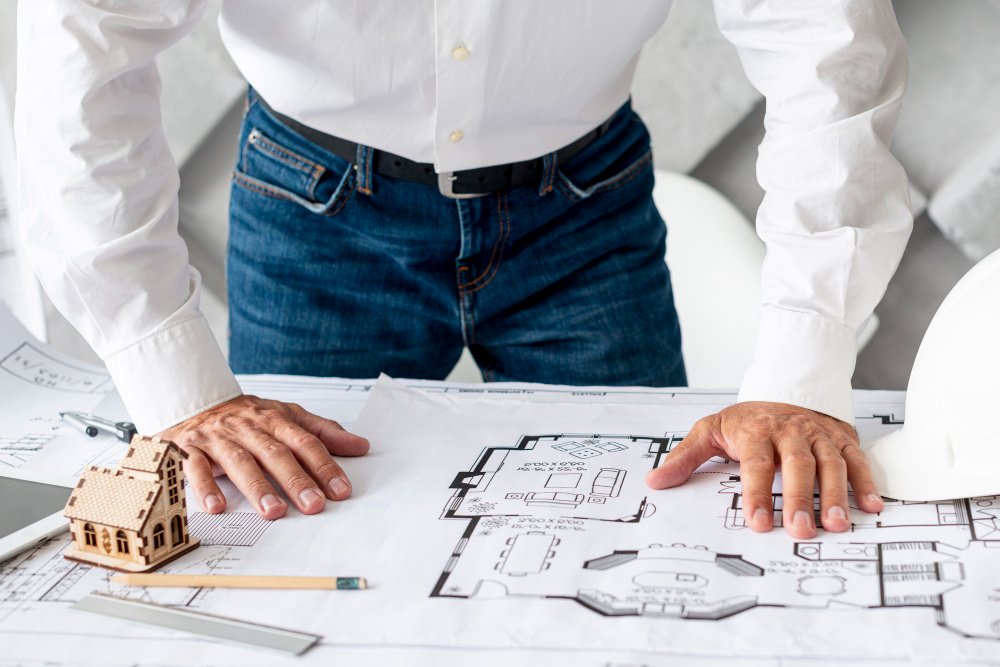
Technology has become an integral part of home evolution. From digital design tools to smart thermostats, innovation shapes every stage of the process. Virtual reality allows homeowners to visualize remodels before construction begins, while automation systems provide real-time control over lighting, temperature, and security. These tools make spaces more responsive and energy-efficient than ever before.
Smart Homes, Smarter Living
Smart home upgrades are among the fastest-growing improvement trends. Voice-controlled lighting, automated blinds, and connected appliances create seamless living environments. The result is convenience paired with sustainability—homes that adjust to your lifestyle while minimizing waste and energy use.
Design Evolution Through the Decades
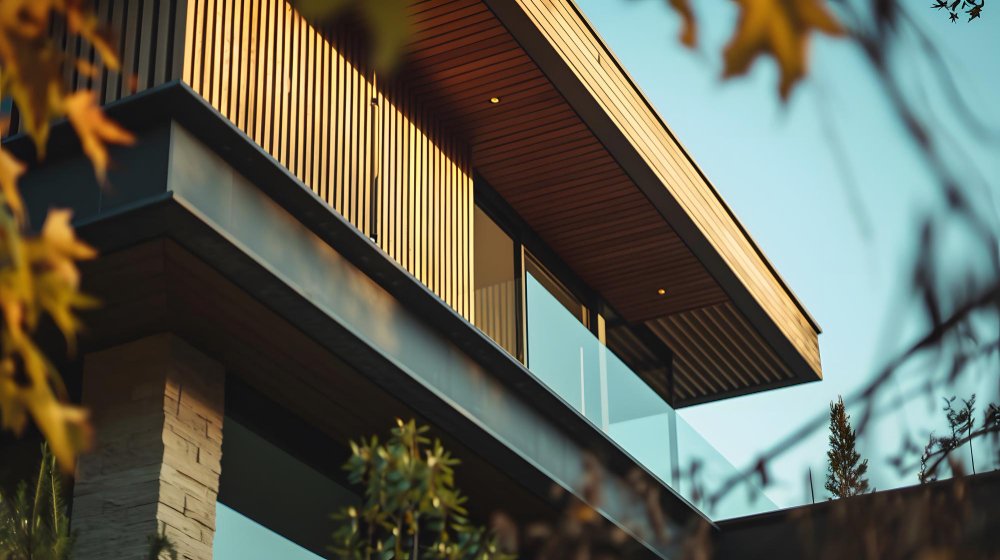
Each decade leaves its mark on home design. Mid-century homes prioritized open layouts and natural materials, while the 1980s introduced bold color palettes and ornamental detailing. Today’s designs favor clean lines, multifunctional spaces, and sustainable finishes. The best remodels honor a home’s history while introducing contemporary elegance.
Balancing Old and New
Preserving architectural character while modernizing function is one of today’s defining design challenges. Homeowners are restoring vintage trim, brickwork, and hardwoods while incorporating energy-efficient systems and modern lighting. The result is a unique balance between heritage and innovation—a blend that keeps homes both authentic and future-ready.
Practical Improvements with Lasting Impact
Not all home improvements need to be major overhauls. Small, strategic upgrades can have profound effects. Replacing old flooring, updating lighting, or refreshing wall colors can instantly modernize interiors. Exterior improvements like fresh paint, new doors, or landscaping dramatically enhance curb appeal. Each project—large or small—contributes to a more comfortable and personalized home environment.
Energy Efficiency and Sustainability
Eco-friendly remodeling has become a central focus in the modern era. Improvements like high-performance insulation, solar panels, and efficient HVAC systems reduce costs and carbon footprints. Sustainable design is no longer a niche—it’s the new standard for responsible homeownership. Sacramento homeowners, for instance, increasingly choose renewable materials and energy-saving technologies to ensure their homes evolve sustainably.
Personalization and Purpose
Every improvement should serve a purpose—enhancing comfort, function, or joy. Customization transforms standard remodels into meaningful spaces. Built-in shelving, handcrafted cabinetry, and tailored layouts ensure every square foot serves the homeowner’s lifestyle. This philosophy drives the modern era of home improvement: creating homes that tell individual stories.
Design That Reflects Identity
Colors, textures, and materials are personal expressions. Some homeowners embrace minimalist aesthetics, while others favor eclectic layers of warmth and contrast. Improvement projects are now storytelling opportunities—reflecting individuality and celebrating creativity.
The Future of Home Improvements
Looking ahead, innovation and sustainability will continue to drive evolution. Modular construction, renewable energy integration, and advanced automation systems will redefine what it means to remodel. Yet, despite technological progress, the heart of home improvement remains timeless: the desire to create spaces that nurture, inspire, and endure.
Investing in What Matters
Modern homeowners view improvement not as expense but as investment—in comfort, efficiency, and emotional well-being. The process goes beyond design trends; it’s about creating environments that evolve with their occupants. By merging technology, craftsmanship, and imagination, the future of home improvement promises smarter, more meaningful living spaces for generations to come.