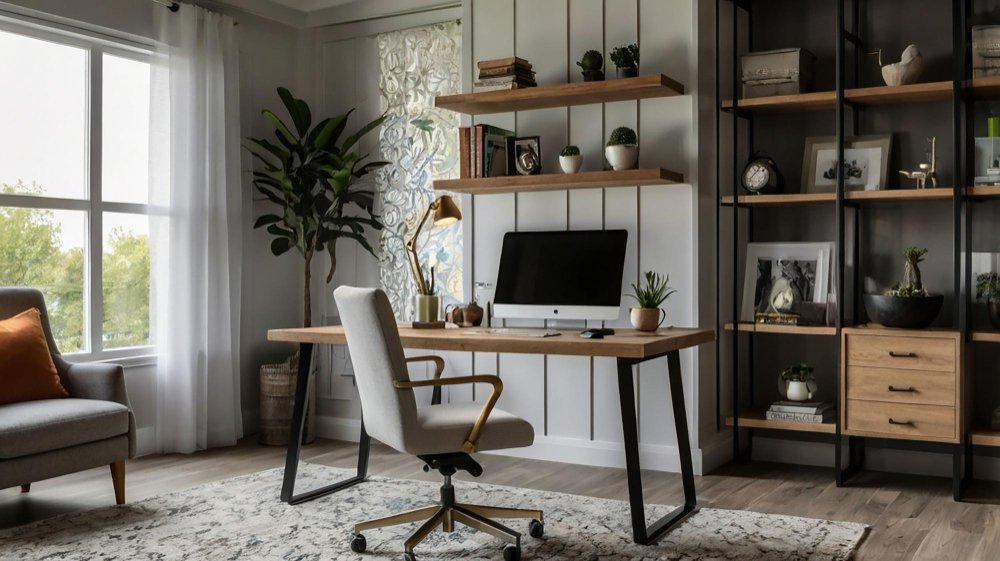
The Evolution of the Home Office
Home offices have evolved from simple workstations to fully integrated, design-driven spaces. Today’s homeowners prioritize ergonomics, storage, and ambiance as much as technology and layout. A thoughtfully designed office not only enhances daily performance but also adds value to your property. Whether you’re a remote professional, student, or creative entrepreneur, a personalized workspace elevates your focus and comfort.
Purpose-Driven Design
Every home office should start with intention. Are you seeking a quiet retreat for concentration or a multifunctional studio for meetings and collaboration? Understanding your goals determines layout, lighting, and furniture selection. The best designs reflect both the nature of your work and your personal rhythm.
Space Planning and Layout
Effective space planning is the foundation of a successful custom office. Proper flow between desk, storage, and seating ensures comfort and efficiency. Built-in cabinetry helps minimize clutter while keeping essentials close at hand. In compact homes, floating desks and vertical shelving maximize usability without crowding the room.
Lighting for Focus and Ambiance
Lighting plays a vital role in both productivity and well-being. Natural light reduces eye strain and boosts mood, while layered artificial lighting creates balance. Combine overhead fixtures with task and accent lighting for a comfortable, adaptable workspace. Positioning your desk near a window can dramatically improve your daily experience.
Material and Finish Selection
The tactile quality of your office environment influences focus and creativity. Durable materials—like hardwood, matte lacquer, and stone—create a professional aesthetic. Soft textures from area rugs, curtains, and upholstery add warmth and balance. The combination of resilient surfaces and comfort-driven finishes produces a workspace that is both inspiring and functional.
Integrating Technology Seamlessly
Modern offices require thoughtful integration of technology. Concealed wiring, cable management systems, and built-in power sources maintain a clean, clutter-free appearance. Consider incorporating adjustable monitors, standing desks, and ergonomic accessories to support long-term health and comfort during work hours.
Personalization and Style Expression
Customization is what distinguishes a custom home office from a generic workspace. Tailored shelving, bespoke millwork, and curated décor express individuality. Whether minimalist or traditional, a custom design ensures your office feels personal, comfortable, and inspiring. Personalized details—such as framed artwork, statement lighting, or custom cabinetry—turn a functional space into an expression of taste.
Color Psychology in Office Design
Color impacts focus and emotion. Soft blues and greens promote calm and concentration, while neutrals enhance light and space. Adding warm accents through wood tones or metallic finishes balances professionalism with comfort. The right color palette supports creativity while reducing stress.
Storage That Supports Productivity
Organization is essential to mental clarity. Built-in drawers, modular shelving, and concealed cabinetry maintain order while preserving design flow. Custom furniture allows for tailored configurations that fit your equipment and workflow. Every inch of the office should serve a purpose—functionality and elegance working hand in hand.
Sound Control and Acoustics
For homeowners who take virtual meetings or need deep focus, acoustics matter. Sound-absorbing materials like cork walls, upholstered panels, and area rugs reduce echo and enhance privacy. These subtle design elements improve concentration and make the space feel serene and refined.
Integrating Work and Lifestyle
Home offices are often part of multipurpose spaces—guest rooms, lofts, or open living areas. Sliding partitions or built-in room dividers help define zones while maintaining visual harmony. This adaptability makes the custom office an integral part of the home’s overall design narrative.
Transition from Work to Relaxation
Designing an office that transitions seamlessly from work mode to personal time enhances overall well-being. Hidden storage, soft lighting, and comfortable seating make it easy to shift from productivity to relaxation at the end of the day. The best offices feel like sanctuaries, not cubicles.
Pairing with Complementary Spaces
Custom office design often overlaps with other built-in solutions—such as custom library & bookcases that expand organization and add architectural character. Incorporating reading nooks or display shelving creates continuity between work and leisure. These features emphasize the importance of design harmony throughout your home.
Blending Practicality with Personality
Every decision, from furniture scale to decorative accessories, contributes to the room’s atmosphere. The goal is to achieve balance: a workspace that’s as beautiful as it is efficient. Thoughtful curation elevates your daily routine, turning work into an experience you look forward to.
The Lasting Benefits of a Custom Design
A tailored home office is an investment in lifestyle and productivity. By combining form, function, and personal aesthetics, you create a space that supports focus, fosters creativity, and enhances your sense of balance. As remote work continues to shape modern living, the value of custom design grows—transforming homes into dynamic environments that nurture success and comfort alike.