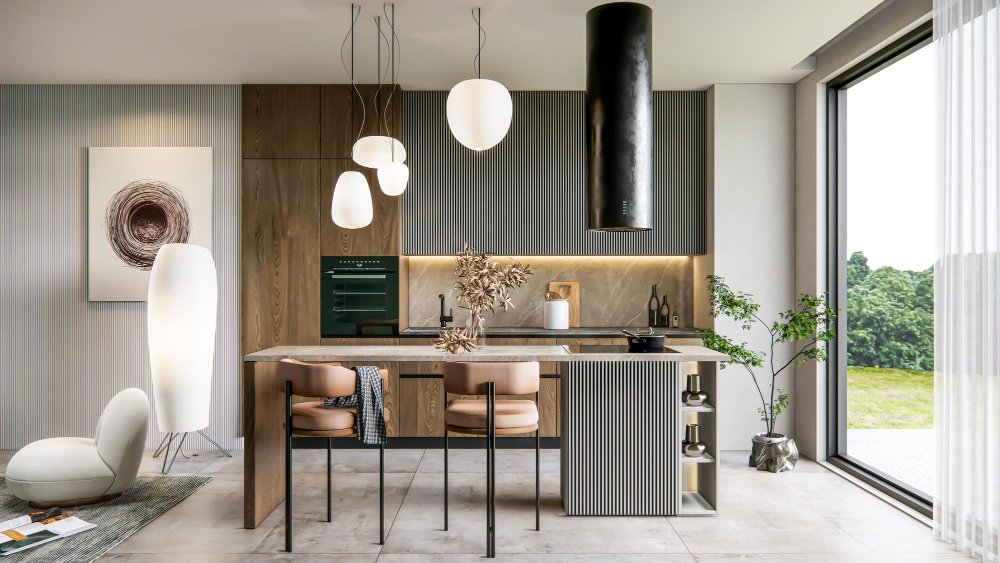
The Evolution of Kitchen Design
Kitchens have transformed dramatically over the decades. Once tucked away and purely functional, they are now central social spaces that encourage interaction and expression. Open layouts, smart appliances, and flexible islands have turned the kitchen into a hub for both cooking and connection. Today’s designs focus on blending utility with aesthetics, where form follows function but never compromises beauty.
Balancing Practicality and Style
Successful kitchen design begins with balance. Countertop space, lighting, and storage must work together to support efficiency. Every choice—from cabinet placement to faucet height—affects how comfortably the space performs. Yet practicality alone isn’t enough. Modern homeowners seek personality in their kitchens, choosing custom finishes, natural materials, and statement lighting to express individuality.
The Core Principles of a Well-Designed Kitchen
Whether you prefer sleek minimalism or rustic charm, certain design principles define every great kitchen. Understanding these fundamentals helps ensure your remodel feels intentional and cohesive.
- Workflow: A functional kitchen follows an intuitive path from prep to cook to clean. This “work triangle” connects the sink, stove, and refrigerator to minimize unnecessary steps.
- Storage: Deep drawers, pull-out shelves, and vertical cabinets maximize usability and reduce clutter.
- Lighting: Layered illumination—task, ambient, and accent—creates both efficiency and atmosphere.
- Materials: Durable yet beautiful surfaces such as quartz, butcher block, or porcelain tile define the character of the space.
Ergonomics and Efficiency
Good design accommodates how people move. Counter heights, handle placement, and clear walking zones enhance comfort and reduce strain. Ergonomic layouts not only make cooking more enjoyable but also make kitchens safer for every family member.
Lighting as a Design Tool
Lighting can transform a kitchen from ordinary to extraordinary. Daylight enhances color and texture, while strategic artificial lighting ensures functionality after sunset. Pendant lights above islands add a focal point, while under-cabinet LEDs brighten work surfaces. Adjustable dimmers allow the kitchen to shift from energetic mornings to relaxed evenings with ease.
Color and Mood
Color influences how a kitchen feels. Neutrals like white, taupe, and gray create timeless backdrops, while bold accents—navy, emerald, or matte black—add drama and sophistication. Warm tones foster comfort, while cool palettes evoke calm. The key is balance: a well-chosen palette enhances both mood and visual flow.
Innovations in Modern Kitchen Design
Technology and sustainability are transforming how kitchens function. Smart appliances, touchless faucets, and induction cooktops improve efficiency and hygiene. Meanwhile, sustainable design choices—such as recycled countertops or LED lighting—reduce environmental impact while maintaining elegance. The modern kitchen is a reflection of responsible luxury, where innovation meets artistry.
Integrating Smart Technology
Homeowners now expect convenience through connectivity. Smart ovens that self-adjust temperatures, refrigerators that track groceries, and automated lighting systems redefine how kitchens operate. These features not only simplify routines but enhance safety and precision, turning every meal preparation into a seamless experience.
Designing for the Senses
The best kitchens engage more than the eye—they appeal to touch, sound, and atmosphere. Textured wood cabinetry contrasts against smooth countertops. Soft-close drawers eliminate noise, while layered lighting creates ambience. These sensory layers transform the kitchen into an inviting, human-centered space where cooking becomes an act of creativity and comfort.
Space and Flow
Open-concept kitchens continue to dominate modern design, connecting the kitchen to dining and living areas. This approach encourages togetherness and allows homeowners to entertain while cooking. For smaller spaces, clever design solutions—like fold-out counters or movable islands—create flexibility without clutter.
Timeless Design and Personalization
While trends shift, timeless design endures. Natural materials, quality craftsmanship, and balanced proportions ensure longevity. Personal touches, such as custom range hoods, handcrafted tiles, or curated decor, give your kitchen a sense of identity. A well-designed kitchen tells your story—through colors, textures, and the experiences it hosts.
Harmony Between Old and New
Blending classic design elements with modern innovation creates lasting appeal. Vintage fixtures paired with contemporary finishes, or reclaimed wood contrasted with sleek metals, strike the perfect balance between nostalgia and progress. The result is a kitchen that feels both fresh and familiar.
Designing Beyond Aesthetics
Ultimately, kitchen design is about lifestyle. It’s the intersection of utility, beauty, and emotion—a place where meals, memories, and moments are made. A truly modern kitchen goes beyond visual appeal to create a sense of belonging and joy. Every choice, from materials to lighting, contributes to an environment where life unfolds gracefully and creatively.